
Knowing the free things to do in Paris is what separates an expensive trip from a perfectly affordable one. Paris has a reputation for being prohibitive and partly deserves it, but a great deal of what makes the city unique costs nothing. Here are ten free plans, plus the accommodation logic that changes the budget of the whole trip.
The 10 free plans worth doing
- Notre-Dame and the Ile de la Cite. The cathedral and its surroundings, with the flower market two steps away.
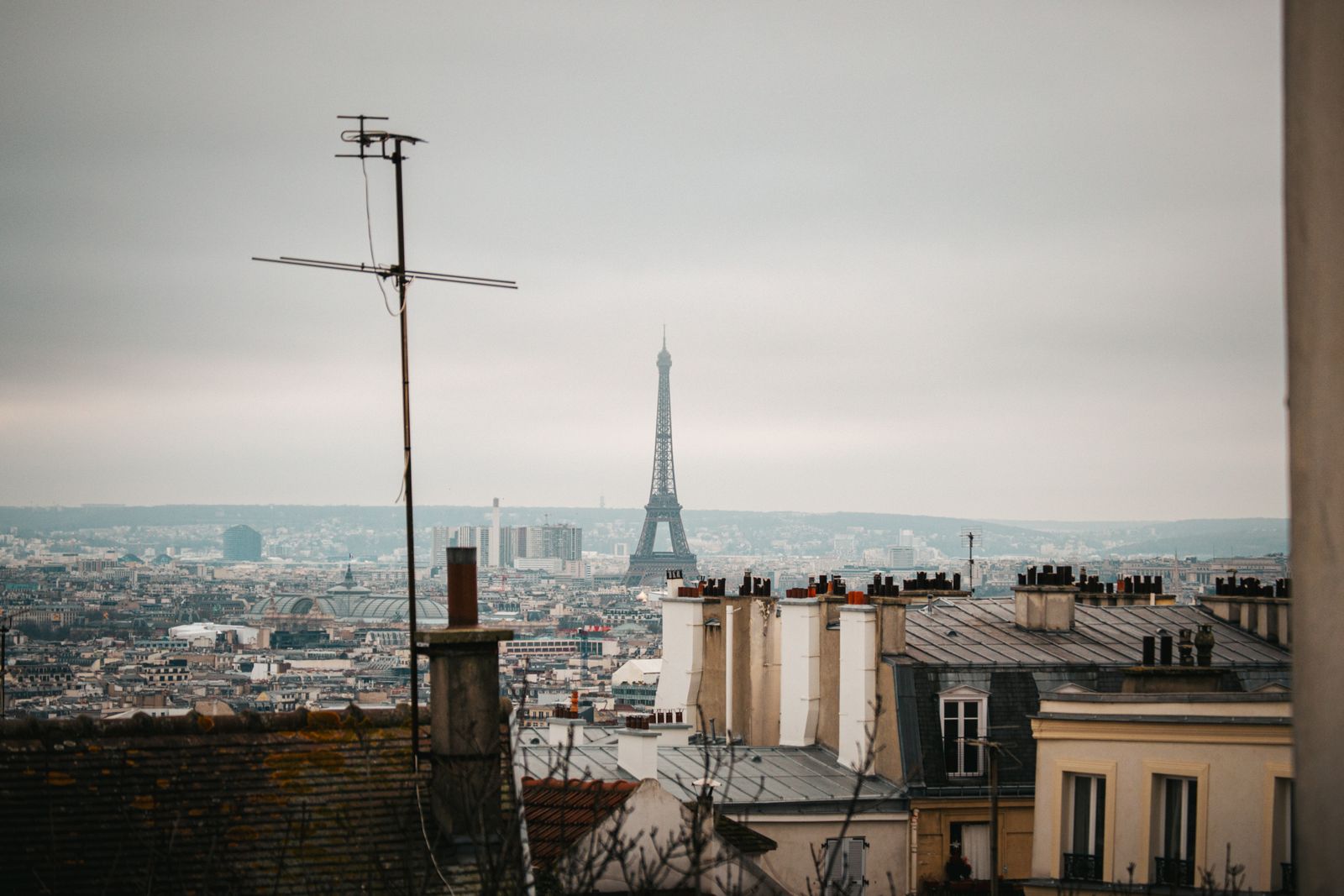
- Sacre-Coeur and Montmartre. The basilica is free to enter and the view from the steps is among the best in the city.
- Pere-Lachaise. The most visited cemetery in the world, free and surprisingly peaceful.
- The Luxembourg Gardens. Green chairs, a pond and the best possible way to spend a Sunday afternoon.
- The Marais on foot. Place des Vosges, medieval streets and shop windows you need not enter.
- The banks of the Seine. A World Heritage Site, walkable end to end.
- Municipal museums. The permanent collections of the city’s own museums are free all year.
- First Sunday of the month. Many national museums open free; check which on the official Paris tourism site.
- Canal Saint-Martin. The locks, the iron footbridges and the least touristy district in central Paris.
- Neighbourhood markets. Bastille on Sundays, Aligre daily. Entertainment and cheap food at once.
The part that is not free
Here is the real problem. You can do all ten of the above without spending a euro and still come home feeling Paris cost you a fortune, because accommodation absorbs most of the budget.
A family room in a reasonably central area runs around a hundred and sixty euros a night. Five nights is eight hundred euros before you have done anything at all.
How to solve the accommodation
Paris is one of the cities with the greatest exchange supply in Europe, for a structural reason: a great many Parisians want to come to Britain, Spain and Italy, particularly in summer and at Easter.
That makes a home in those countries genuinely valuable currency. And staying in a Parisian flat in a real neighbourhood, besides eliminating those eight hundred euros, solves the second largest expense of the trip: being able to have breakfast and dinner in, in a city where eating out is expensive.
The timescales and logistics are in the guide to international home exchange.
Which districts to stay in
- 11th and 12th: Bastille, Nation, Aligre. Real neighbourhood, good food prices, direct metro everywhere.
- 10th: Canal Saint-Martin and Republique, very well connected.
- 5th and 13th: the Latin Quarter and around, quiet and well placed.
- 18th and 19th: upper Montmartre and Buttes-Chaumont, more affordable and full of life.
Getting around without overspending
Paris walks far better than the map suggests: it is fifteen minutes on foot from the Louvre to Notre-Dame. For everything else, multi journey carnets work out considerably cheaper than single tickets.
And if you stay in a district with several metro lines, you halve your long journeys.
Frequently asked questions
What are the best free things to do in Paris with children? Luxembourg, Buttes-Chaumont, the banks of the Seine and the Jardin des Plantes.
Are the national museums always free? No. The municipal ones are, for their permanent collections; the national ones only on certain days.
How many days do we need? Four or five for the essentials without rushing.
When is the best time to go? May, June and September. July and August are hotter and more expensive.
The complete plan
Ten free plans plus accommodation at zero cost make Paris a perfectly affordable destination. To arrange the accommodation, start with the complete home exchange guide.