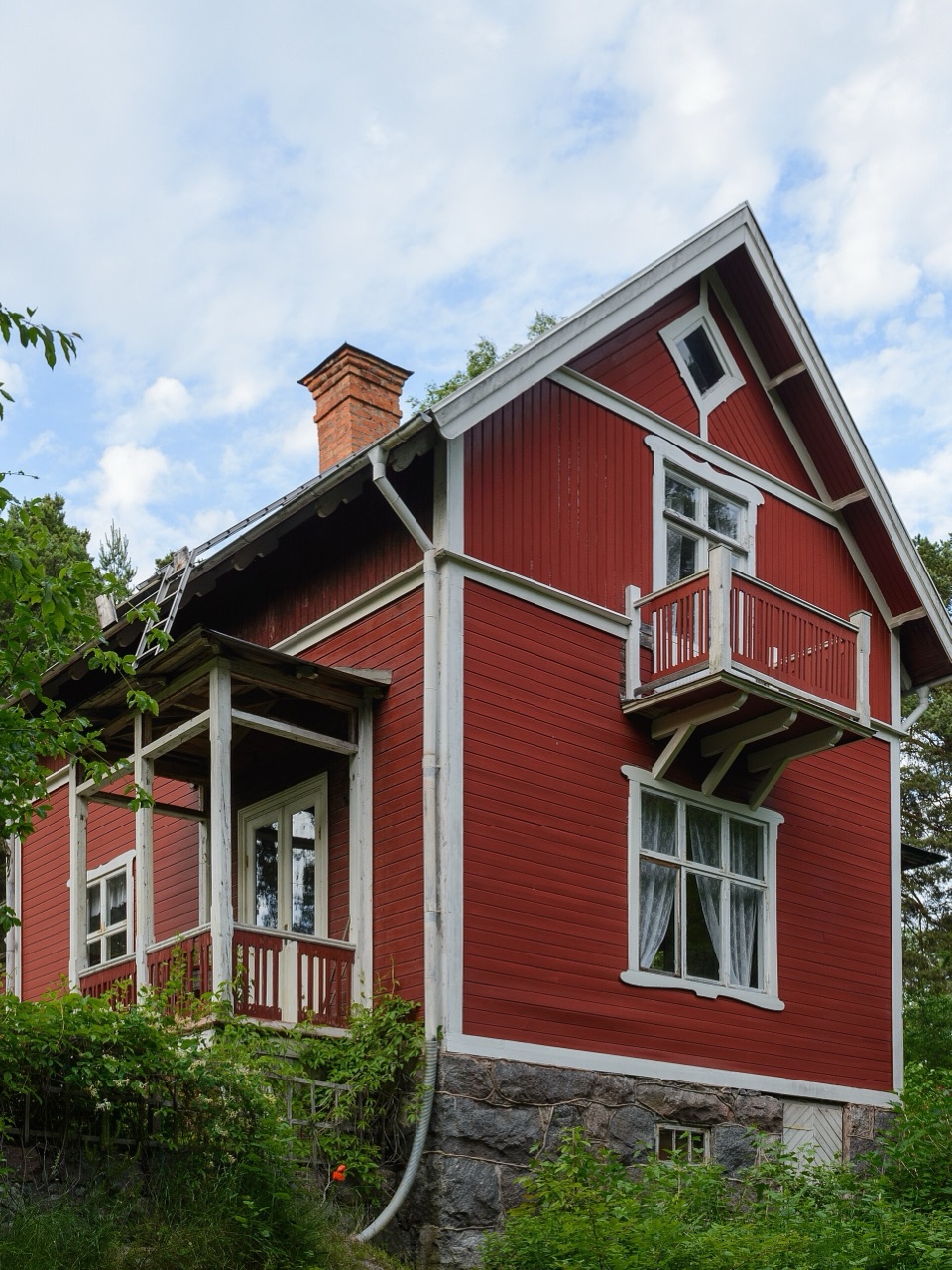
Home exchange and house swap in Japan
From the temples of Kyoto to the beaches of Okinawa, from Tokyo to Hokkaido: with Homeforswap, swap your home and enjoy a home exchange in Japan without paying for accommodation between members, in step with the seasons.
A home exchange in Japan suits a country that is explored by train, from city to city, and whose landscape changes with every season: cherry blossom at the end of winter, humid heat in summer, red maples in autumn, snow in Hokkaido. Staying with locals lets you settle into a neighbourhood, shop in the local stores and fan out from a single base, instead of dashing from one room to the next.
With Homeforswap, there are three formats: simultaneous exchange, deferred exchange (your dates and your hosts’ dates don’t coincide) and non-reciprocal exchange. Between members there is no rent and no commission: you don’t pay for the night. You still pay for transport, meals, final cleaning and insurance. Creating the account and the listing is free.
Why a home exchange in Japan works so well
🚄 A country explored by train
The rail network is dense and fast, with the Shinkansen. A home close to a station becomes the ideal base for visiting the neighbouring cities and coming back to sleep in the same place.
🌸 Very marked seasons
Cherry blossom in March and April, maples in autumn, snow in winter in Hokkaido: a stay in Japan is set by the season you want to see, and a deferred exchange helps you choose your dates.
🏡 Living like the locals
Staying with locals, you discover a neighbourhood, its shops and its customs day to day, with your hosts’ advice. Spending a longer time in one place changes how you see the country.
Where to do a house swap in Japan
From the snowy north to the subtropical islands of the south, here are eight areas to start your search for a flat swap in Japan.
🏙️ Tokyo and its region
The capital and its very different districts, with Yokohama and Kamakura within reach by train. A central base for exploring the whole Kanto region.
⛩️ Kyoto
Temples, shrines and gardens. Fushimi Inari shrine and its orange torii draw many visitors; spring and late November are the most sought-after seasons.
🦌 Osaka and Nara
Osaka for city life, Nara for its park with free-roaming deer and the Great Buddha of Todai-ji. Together with Kyoto, they form the trio of the Kansai region.
❄️ Hokkaido
Sapporo, Otaru, Hakodate: the northern island has very snowy winters, cherry blossom in late April and the lavender fields of Furano in July.
♨️ Kyushu
Fukuoka and its street stalls by the river, the restored castle of Kumamoto, the hot springs of Beppu and the Aso volcano. Trains link the main cities.
🌺 Okinawa
A subtropical archipelago at the far south of the country, with Naha as a base. Take the typhoon season into account when choosing your dates.
⛵ Hiroshima and Miyajima
Hiroshima, then the island of Miyajima about ten minutes away by ferry, where the torii of Itsukushima shrine seems to float at high tide. A UNESCO-listed site.
🍁 Kanazawa
On the Sea of Japan coast, the city of Kenroku-en, a landscape garden created over several centuries by the Maeda family. A calm stay, away from the main circuits.
Making your first home exchange in Japan a success with Homeforswap
- Choose your season in advance — Cherry trees blossom around the end of March in Tokyo, early April in Kyoto and late April in Sapporo; maples colour Kyoto and Tokyo from mid-November to early December. Offer your dates early, or stay flexible with a deferred exchange.
- Aim for a home near a station — Trains serve most towns, and a car is mainly useful outside the big urban areas. If a vehicle is part of the exchange, driving is on the left: check the licence rules that apply to you before you leave.
- Take the climate into account — Summer is hot and very humid, the rainy season begins in May or June, and typhoons mostly affect August and September, and can run into November. Hokkaido remains the natural choice for snow.
- Write a welcome guide — Shoes off at the door, waste sorting that varies by municipality, collection days, quiet on the trains: put these customs in writing for your hosts, and draw up a written exchange agreement with them.
Frequently asked questions
All home exchange destinations in Japan
Explore Japan prefecture by prefecture, then city by city, to find the home that fits your trip.
Regions of Japan
- Tokyo
- Kyoto
- Osaka
- Hokkaido
- Okinawa
- Kanagawa
- Nara
- Hyogo
- Hiroshima
- Fukuoka
- Nagasaki
- Kumamoto
- Kagoshima
- Ishikawa
- Nagano
- Shizuoka
- Aichi
- Chiba
- Miyagi
- Oita
Cities in Japan
- Tokyo
- Kyoto
- Osaka
- Yokohama
- Sapporo
- Fukuoka
- Nara
- Kobe
- Nagoya
- Hiroshima
- Kanazawa
- Nagasaki
- Naha
- Sendai
- Kamakura
- Hakodate
Start my home exchange in Japan
Also worth a look: what is home exchange · how it works · all our destinations
You might also like these destinations
-
-
-
-
-
-
-
-
-

-
-
-
-
-
-
-