
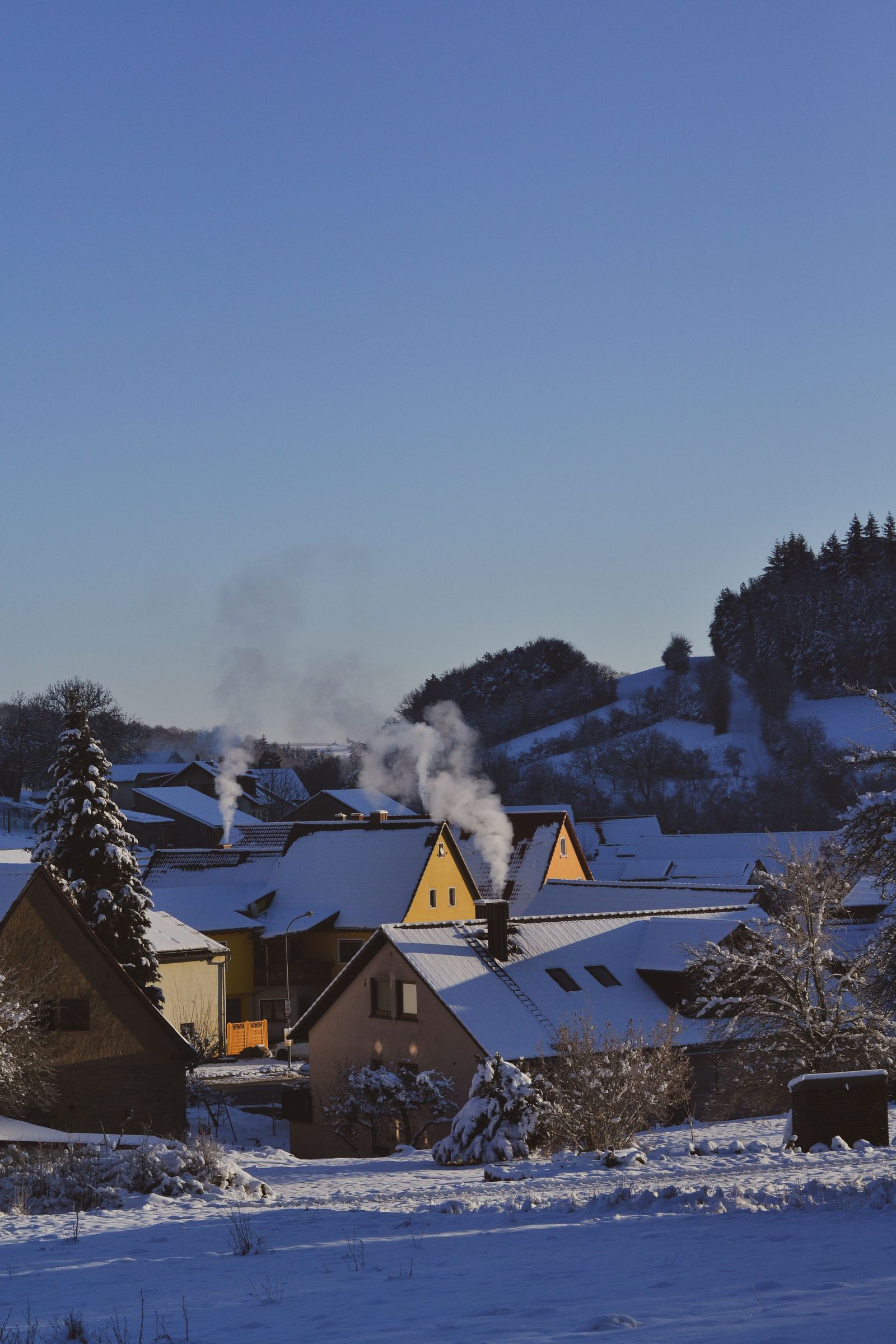
A winter home exchange is the most underused season in the entire system, and probably the most rewarding. While thousands of families compete for the same houses in August, supply between November and March sits almost untouched. If you have any flexibility at all, winter is when exchange works best.
The season with no competition
The logic is straightforward: almost everybody thinks of home exchange as a summer thing. That concentrates demand into eight weeks of the year and leaves the other forty four with plenty of supply and very few applicants.
In practice, a winter home exchange gets agreed in weeks rather than months, and gives you access to homes that would attract twenty requests in August.
The five kinds of trip that work
- Skiing. The Alps, the Pyrenees, Scotland. Resort accommodation is extremely expensive, so this is where the saving is largest.
- Winter sun. The Canaries, southern Spain, Madeira, with mild temperatures and cities empty of tourists.
- European cities. No queues, cheap flights and Christmas markets in December.
- Bank holiday breaks. December, January and February carry several usable long weekends.
- Long remote work stays, which are far easier to arrange in winter.
What to check in winter and not in summer
- Heating: what type, whether it works well and who covers the consumption, which in winter is not a trivial detail.
- Insulation. A beautiful, freezing house ruins a week.
- Road access if the destination is mountainous: chains, tyres, the usual state of the route.
- Daylight hours and local timetables, which change the shape of the day considerably.
- What is actually open. In coastal destinations, many services close out of season.
The agreement on utilities
This is the one point that deserves an explicit conversation in winter. A house heated for two weeks consumes considerably more than in June.
The usual and most sensible arrangement is that each family covers normal consumption in their own home, given that both are doing the same thing. It is worth writing down, as we explain in the guide to house rules.
Winter and the points system
There is a strategy that exploits both seasons at once and that many experienced families use: host in summer, when your home is in maximum demand, and spend that credit in winter, when supply is wide and cheap in points.
In practical terms, it is buying low and selling high. The mechanism is in the guide to points based home exchange.
The mountains, the most rewarding case
This deserves a paragraph of its own. A week in a ski in ski out apartment in high season comfortably passes fifteen hundred pounds, and in many resorts there is no reasonable alternative.
Removing that line transforms the budget of a ski trip, which is among the most expensive there is. Before fixing dates it is worth checking forecasts and warnings with the Met Office, particularly for road access.
Frequently asked questions
Is there enough supply for a winter home exchange? Yes, and with far less competition than in summer.
What if my home is neither in the mountains nor by the sea? Cities have strong winter demand, especially over bank holidays.
How much lead time is needed? Six to ten weeks is usually enough, except at Christmas and half term.
Can the house be left empty in the cold? Not advisable. Leaving minimum heating instructions prevents damp and burst pipe problems.
Use the low season
If your dates are flexible, winter is the best moment to start: less competition, faster agreements and better homes. The full process is in the complete home exchange guide.