
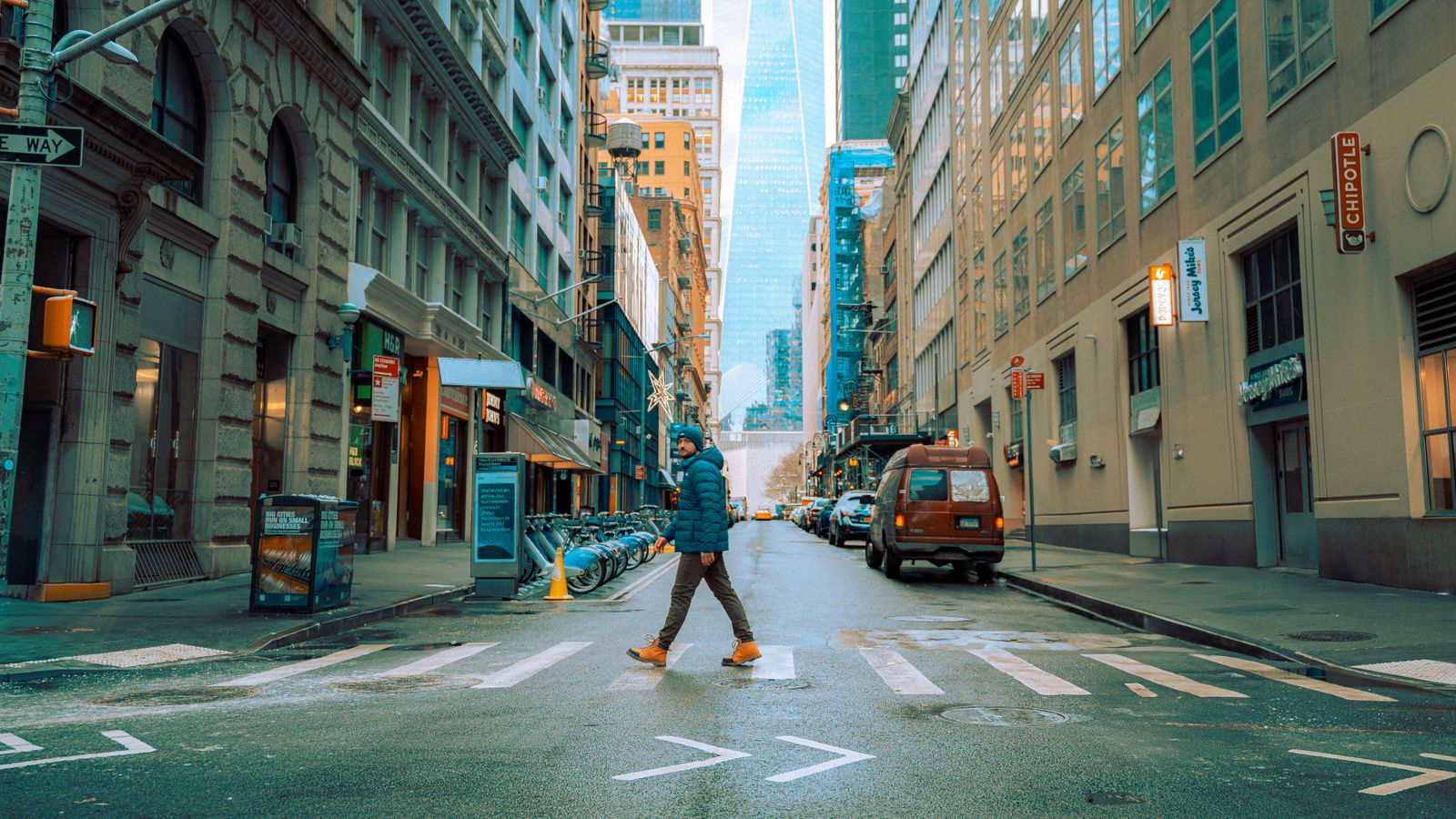
A home swap in New York runs into the same wall as every family trip to the city: accommodation. A family room in Manhattan comfortably passes three hundred dollars a night, which turns ten days into a figure that makes people abandon the plan before they start. This guide explains how to remove that wall and how to organise the rest of the trip.
The accommodation wall
New York is one of the most expensive cities in the world to sleep in, and the gap between a room and an apartment is particularly cruel for a family: with four people you almost always need two hotel rooms.
Ten nights on those terms reaches five or six thousand dollars. That, almost always, is why the trip does not happen.
How a swap solves it
New York and its metropolitan area have a very active exchange community, with substantial supply in Brooklyn, Queens and the New Jersey towns connected by train.
Removing accommodation reduces the budget of a home swap in New York to flights and daily living. And having a kitchen solves the second major expense, because breakfast out for four in Manhattan costs what dinner costs in Europe.
The trade off is lead time: a transatlantic exchange needs four to eight months, as set out in the guide to international home exchange.
Where to stay
- Brooklyn (Park Slope, Carroll Gardens, Williamsburg): residential, well connected by subway and with plenty of family supply.
- Queens (Astoria, Sunnyside, Forest Hills): more affordable, very diverse and twenty minutes from Midtown.
- Upper West and Upper East Side: the most convenient if transport costs matter, with Central Park alongside.
- New Jersey (Hoboken, Jersey City): ten minutes by train from Manhattan and with larger homes.
When to go
- Spring, April to June: the best window. Mild temperatures and parks in bloom.
- Summer: hot and humid, but with free outdoor concerts and cinema across the city.
- Autumn, September to November: excellent light, Central Park in colour and the Thanksgiving parade.
- Winter: genuinely cold, but December has an atmosphere that exists nowhere else.
How much of it is free
Contrary to its reputation, a great deal of New York costs nothing: the Staten Island Ferry with its views of the Statue of Liberty, the whole of Central Park, the High Line, walking the Brooklyn Bridge, the Public Library, Grand Central and the markets at Chelsea or Smorgasburg.
Several major museums also operate on a pay what you wish basis or have free entry windows; it is worth checking on the official city tourism site before buying any tickets.
The paperwork
British and most European citizens need ESTA authorisation to enter without a visa, applied for online in advance. Sort it as soon as the flights are booked and check current requirements on the official travel advice.
Travel insurance with substantial medical cover is not optional here: American healthcare is extraordinarily expensive.
Getting around
The subway runs twenty four hours and is the most efficient way to move. Weekly passes work out far cheaper than single fares if you are staying more than four days.
And New York is walked a great deal: twenty blocks is about a mile, further than it looks on the map.
Frequently asked questions
How many days do we need? Seven minimum. Ten if you travel with children and want a reasonable pace.
Is it safe for a family? The residential neighbourhoods listed above are quiet and family oriented.
Is a home swap in New York worth it outside Manhattan? Yes. Brooklyn and Queens give a far more real picture of the city.
When should I book flights? Four to eight months ahead, in parallel with searching for the exchange.
Start with the home
Publish your listing in English and mark generous date ranges: that is what opens the door to long haul destinations. The keys are in the home exchange listing guide.