
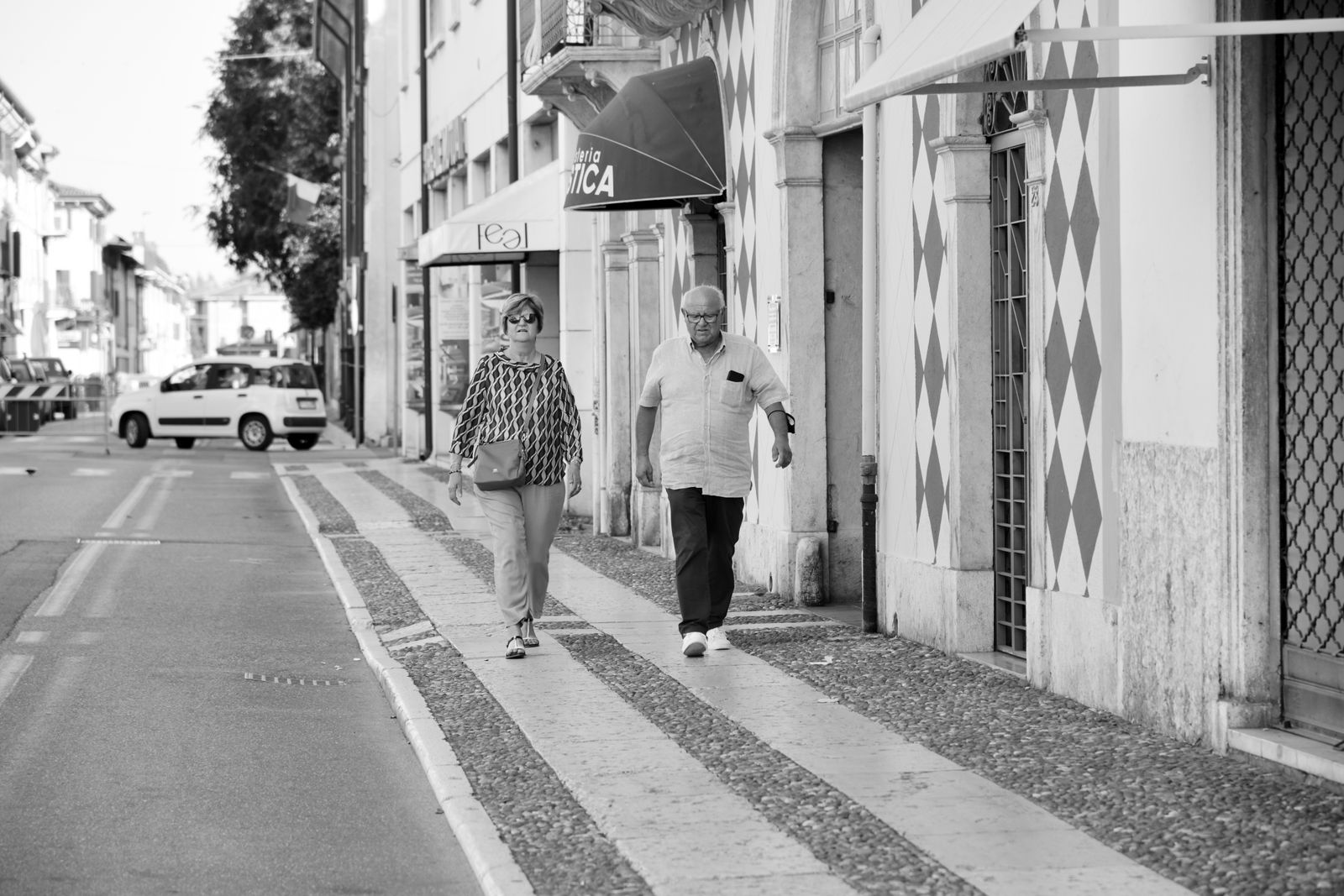
Home exchange for retirees is probably the profile the whole system suits best, and yet it is one of the least represented. The reason is simple: anyone no longer tied to a work or school calendar has exactly the advantage that is scarcest in home exchange, which is flexibility of dates.
Why flexibility changes everything
The bottleneck in the system is not the supply of homes. It is that everybody wants the same two weeks in August. Anyone who can travel in May, October or February moves through a market with virtually no competition.
That means more homes available, better destinations and agreements settled in weeks rather than months.
Long stays, the great advantage
A home exchange for retirees does not have to last two weeks. It can last a month, six weeks or a whole season.
And long stays are easier to arrange than people expect: for many families, having the house occupied for two winter months is preferable to leaving it empty. The longer the stay, the more the travel cost dilutes as well.
The destinations that work best
- Mediterranean coast in winter. Mild climate, low prices and cities without saturation.
- The Canaries all year, particularly between November and March.
- European cities in spring and autumn, without queues and with comfortable temperatures.
- Latin America for long stays, with cheaper flights outside peak season.
- Inland Europe in spring, when supply is highest and demand lowest.
What to check beforehand
Four questions that are secondary for other profiles and are not secondary here.
- Accessibility. Lift, steps at the entrance, bath or walk in shower, which floor.
- Nearby services. Pharmacy, doctor, supermarket within walking distance.
- Public transport a few minutes away, so you do not depend on a car.
- Heating or cooling, depending on season and destination.
Asking about these in detail is entirely normal and no family takes offence.
Health cover
Within Europe, the Global Health Insurance Card covers necessary treatment during a stay and is free to apply for through the NHS. Outside Europe, comprehensive travel insurance with medical cover is essential, particularly on long stays.
It is the only additional formality this kind of trip requires.
Exchange as a way of meeting people
There is an aspect that comes up repeatedly in accounts of home exchange for retirees and that almost nobody anticipates: the social dimension.
Staying in a real neighbourhood for a month, going to the same market and the same cafe each morning, generates a relationship with a place that a hotel never permits. Many couples end up returning to the same destination year after year and keeping in touch with the families they swap with.
If the home stands empty part of the year
If you have a second property, the points system turns it into travel credit: you host while you are not there and spend the credit wherever you like. It is explained in the guide to points based home exchange.
Frequently asked questions
Are there many retirees on the platforms? Fewer than there should be, which works in favour of anyone starting: little competition for the best dates.
Is it technically complicated? The process is essentially publishing photographs and writing messages. Nothing more.
What if we travel by car? Very common on long domestic stays and it simplifies the logistics considerably.
How long does a typical stay last? Between three weeks and two months.
The first step
Publish your home marking generous dates outside peak season: that is your single greatest competitive advantage. The full process is in the complete home exchange guide.