
Pet sitting while you travel is the problem that most complicates a holiday for anyone with a dog or a cat. Boarding costs between twenty and thirty five pounds a day, and many animals genuinely struggle away from their own territory. There is a formula that solves both at once and that almost nobody knows about: a home exchange with animal care built in.
The real cost of leaving an animal
Two weeks of boarding for a medium sized dog comes to around four hundred pounds. For a cat, somewhat less, at twelve to twenty pounds a day.
The usual alternative, a visiting sitter who calls in twice a day, works out cheaper but leaves the animal alone for twenty two hours a day, which for a dog is too long.
The formula: an exchange with care included
The idea is simple: the family staying in your home looks after your animal while you travel. And you do the same with theirs, if they have one.
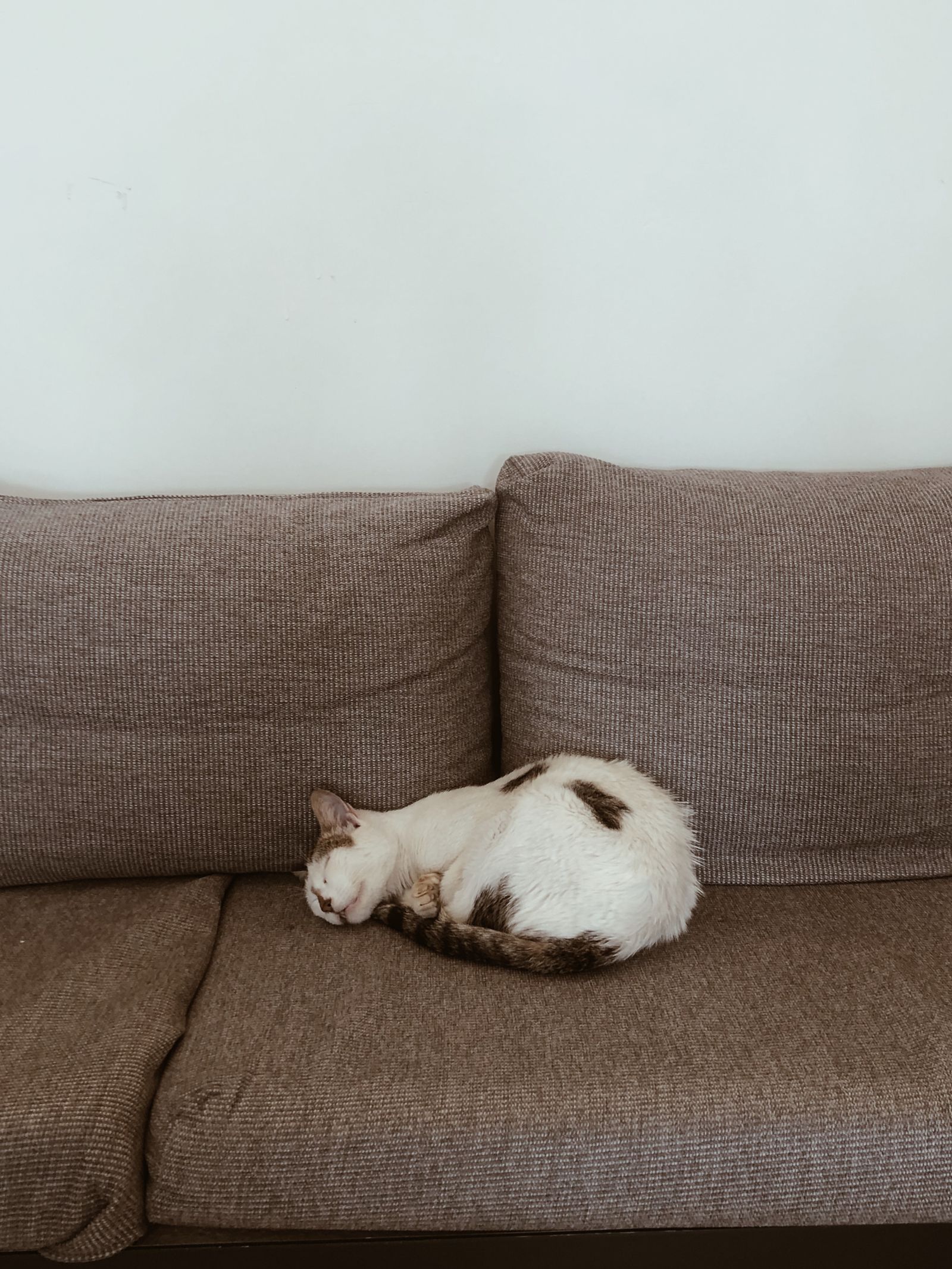
Pet sitting while you travel stops being an expense and becomes part of the agreement. The animal does not change house, keeps its routines, its smells and its own sofa, and has somebody with it around the clock.
Anyone who agrees to this kind of arrangement is, almost by definition, somebody who has animals themselves. They know what they are doing.
Why the animal copes better
A cat is territorial: removing it from its home creates more stress than the absence of its owners. An anxious dog is the same. Most vets agree that, provided somebody is present, staying at home is the better option for the animal.
And for the owner there is an obvious emotional difference between picturing your dog in a boarding pen and seeing a photograph of it lying on its usual rug.
What needs to be prepared
- Written routine: how many meals, at what times, what quantity and which brand.
- Walks: how many, how long, where and whether off lead.
- Food measured out by day and labelled, so nothing is ambiguous.
- Medication, with dose, timing and who administers it.
- Vet: name, address, phone and written authorisation for emergencies.
- The animal’s quirks: thunderstorms, the vacuum cleaner, the postman, visitors.
- A local emergency contact, in case something goes wrong.
It is the same kind of document as the house rules, covered in the house rules guide.
Who pays for what
The usual arrangement is that the owner leaves the food for the period and covers any veterinary cost. The family providing the care is not paid: their compensation is the free accommodation.
It is worth writing down so there is no ambiguity, particularly regarding an unexpected consultation.
If you would rather take your animal
That is also an option. Filter for homes that accept pets and mention it in the first message: breed, size, age and temperament.
If you cross borders, you will need the appropriate animal health documentation and up to date rabies vaccination; the current rules are on the official guidance for taking a pet abroad. We develop it in the guide to home exchange with pets.
Frequently asked questions
What if I have no animals but want to look after somebody else’s? That is exactly the logic of house sitting, which has its own guide.
Can I trust strangers with pet sitting while you travel? Profiles are verified and reviews are public. And the relationship is symmetrical: their home is in your hands.
Does it work with older animals or those on medication? Yes, provided the routine is written out very clearly.
What if the animal falls ill? That is precisely why the written veterinary authorisation and a local emergency contact matter.
The first step
State in your listing that you have animals and are looking for an arrangement with care included: you will attract exactly the kind of family you want. The keys are in the home exchange listing guide and the comparison in the house sitting guide.