
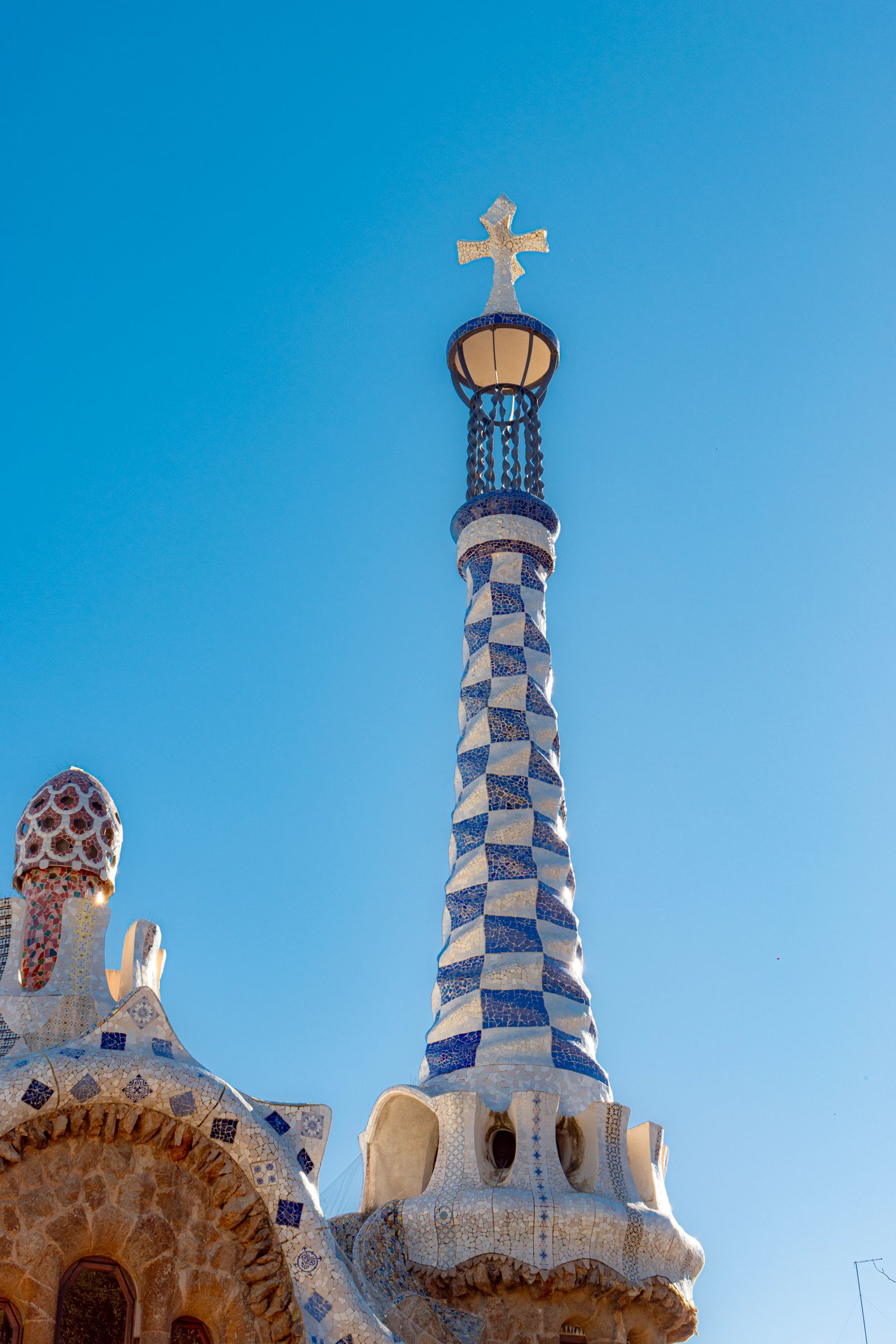
A home exchange in Barcelona starts from a privileged position: few cities in the world combine sea, first rate architecture and mountains half an hour away. That combination makes any Barcelona flat one of the most sought after assets in the system. Here is how to make the most of it and what the city’s particularities are.
Why Barcelona is so heavily requested
Demand is high and constant. In summer for the beach, in spring and autumn for the architecture and the trade fairs, and in winter for the mild climate and the proximity of the Pyrenean ski resorts.
The practical result is that a home exchange in Barcelona rarely goes short of proposals, even when published at relatively short notice. The Barcelona host’s problem is usually not receiving requests but choosing between them.
The neighbourhoods and what people want from them
- Eixample: the most requested. Central, well connected and with the modernist buildings at street level.
- Gracia: heavily sought by anyone wanting a genuine neighbourhood, squares and local life.
- Born and Gothic: maximum tourist demand, though also more night noise.
- Poblenou and Vila Olimpica: ideal for families, close to the beach with wide streets.
- Sarria, upper Gracia and Horta: quieter, highly valued by families with small children.
- The nearby coast: Sitges, Castelldefels, the Maresme. Excellent alternatives with a direct train.
What to include in the listing
Beyond the usual, four details carry more weight in Barcelona than elsewhere.
- Real distance to the beach, in minutes on foot or by metro. It is the first question anyone asks.
- Night noise. If your street is lively at weekends, say so. It is hugely appreciated.
- Air conditioning, essential in July and August because of the humidity.
- How to arrive from El Prat and how long it takes.
When demand peaks
June, July and August are the strong months, but May and September are arguably better: good weather, less saturation and far easier agreements. Spring bank holidays and trade fair weeks also generate heavy demand for short stays.
For building recommendations into your house guide, the official city tourism board keeps opening times, tickets and the activity calendar up to date.
The advantage of the double offer
Barcelona allows something few cities can: promising beach and city in the same trip, with no car and no long journeys. Add the mountains, with the Pyrenees two hours away.
It is worth stating explicitly in the listing, because for a visiting family that combination resolves the classic dilemma of choosing between beach and culture.
Where people travel from Barcelona
The exchanges most often agreed from the city are with European capitals in spring and autumn, with northern Spain and the interior in high summer to escape the humid heat, and with long haul destinations for extended stays.
If you want to escape the August humidity, there are ideas in the article on cool weather holidays.
Frequently asked questions
My flat is not central. Does it work? Yes. With a direct metro or commuter train it works perfectly well. State the minutes.
Is summer the best time to swap? It is when demand is highest, but May and September make agreements easier.
What if I live on a noisy street? Say so clearly. Candour prevents the only bad review possible.
Does a home exchange in Barcelona work for short stays? Very well, particularly in spring and autumn.
Publish your home
Measure the minutes to the beach and to the metro, photograph in natural light and publish. The keys are in the home exchange listing guide and the process in the complete home exchange guide.