
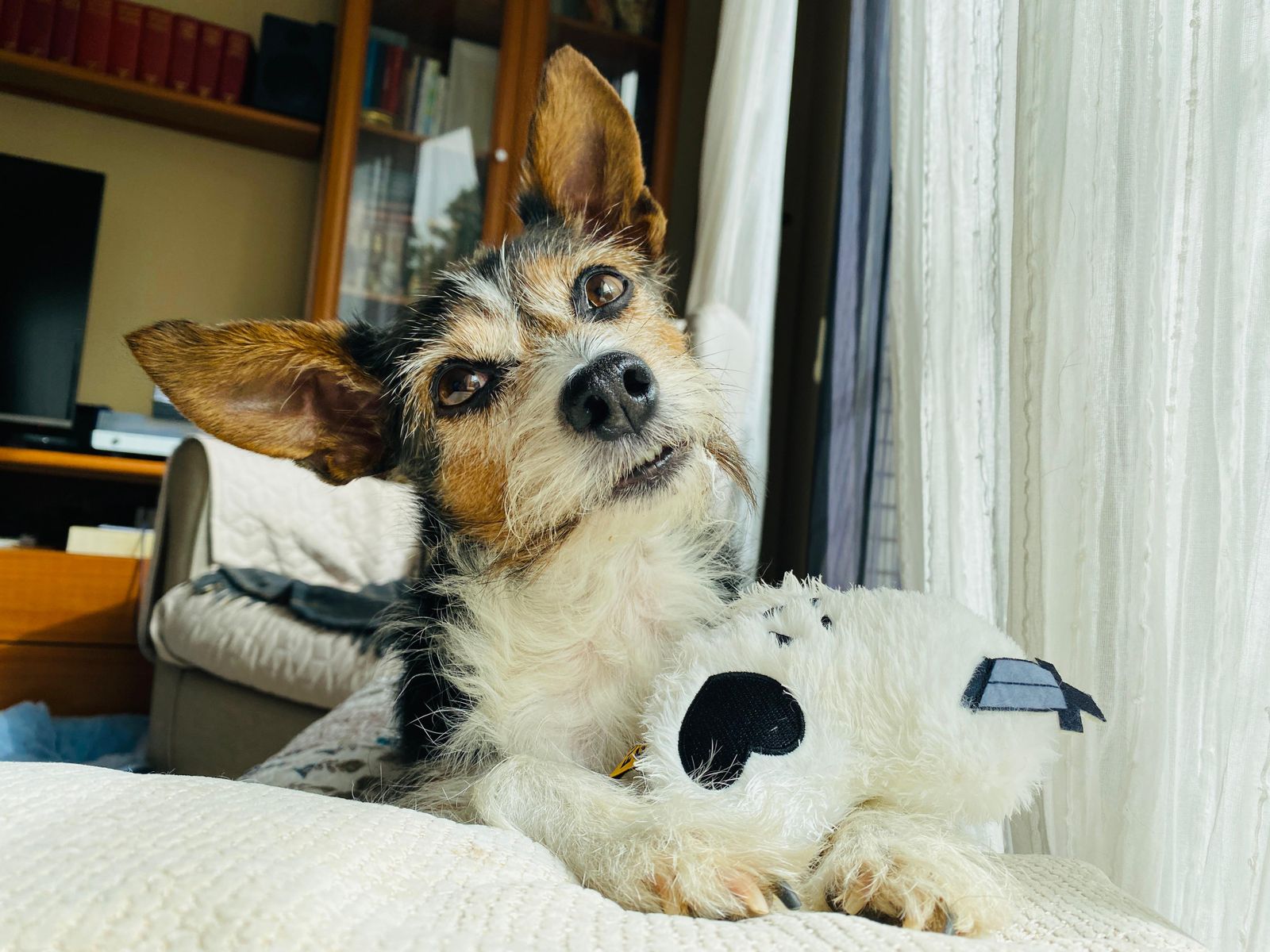
A home exchange with pets raises the same two questions every time: can I take my dog with me, and can I leave my cat at home while I travel. The answer to both is yes, and it is one of the main reasons families with animals end up adopting the system. Here are the two formulas, what needs to be agreed in writing, and how to prepare the house when animals are involved.
The two formulas when animals are involved
An exchange with pets can be handled in two very different ways, and it is worth deciding which you want before you start searching.
Travelling with your animal. You filter for homes that accept pets and take yours along. It is the easiest option for the bond, but it narrows the pool slightly and means solving transport.
Leaving them at home in your guests’ care. This is the formula that surprises newcomers most and solves the most problems. Your animal stays in its own environment, with its routines and its smells, and the family staying in your house looks after it.
Why a home exchange with pets works so well
Boarding kennels cost between twenty and thirty five pounds a day. A two week holiday reaches four hundred pounds for the dog alone, before you count the stress on the animal.
In an exchange that cost disappears and the animal never leaves the house. For many owners that detail matters more than the money: an older cat or an anxious dog copes far better on its own sofa than in a boarding pen.
And whoever agrees to look after an animal is, almost by definition, somebody who has animals. They know what they are doing.
What has to be agreed in writing
The agreement matters more here than in an ordinary exchange. These are the points that should never be left to assumption.
- Exact routine: how many meals, at what times, what quantity and which brand.
- Walks: how many a day, how long, whether off lead and where.
- Areas of the house: whether the animal goes on the bed or the sofa, whether it sleeps in or out.
- Medication: dose, timing and who administers it.
- Vet: name, address, phone number and written authorisation to act in an emergency.
- Costs: who pays for food during the stay and who covers an unexpected consultation.
- Emergency contact: a relative or neighbour who can step in if something goes wrong.
How to prepare the house
Leave the food measured and labelled by day, the lead and harness visible, the vaccination record somewhere obvious, and a printed sheet with the routine. Do not let it depend on a message that can get lost.
If your animal has quirks, write them down. That it hides under the bed in a thunderstorm, that it hates the vacuum cleaner, that it barks at the postman. That information reassures whoever is left in charge enormously.
Leave a plan B in writing too: who to call if the animal falls ill while you are four time zones away.
If you would rather take your dog
Filter from the start for homes that accept pets and say so in your first message: breed, size, age and temperament. Transparency speeds up the agreement.
Check the health documentation if you are crossing borders. Travelling with a pet between the UK and the EU requires an animal health certificate and up to date rabies vaccination; the current requirements are published on the official government guidance.
And take their blanket or bed. An object carrying their own smell reduces the stress of the first night more than anything else.
Frequently asked questions
What if the other family does not like animals? Then it is not your exchange. It gets filtered out at the start and nothing is lost.
Can I arrange a home exchange with pets if I have an allergy? Yes, by stating in your listing that your home does not accept animals.
Who pays if the dog breaks something? Worth agreeing in writing. Platform guarantees usually cover damage, but clarity beforehand prevents the argument.
Does it work with cats? Particularly well. A cat is the animal that copes worst with leaving its territory and gains most from staying put.
In summary
A home exchange with pets is not an obstacle but, for many people, the main reason to start: it removes the boarding cost, spares the animal the stress and connects you with families who understand exactly what is involved. If you are new to the mechanism, begin with the complete home exchange guide and the practical steps in the home swap playbook.